Business Waste Removal in Pinner

Business waste removal in Pinner should feel organised, straightforward and suited to the way your premises actually operate. We provide commercial waste clearance for offices, shops, managed premises and other workplaces that need a reliable way to deal with unwanted materials, regular accumulations or one-off clearances. The emphasis is on practical removal, sensible handling and a tidy finish, with the aim of keeping disruption low while the work is carried out.
Our service covers mixed commercial waste where items are suitable for collection and sorting, as well as separated materials that need to be removed from storage areas, back-of-house spaces or workrooms. Depending on what has built up, that may include packaging, filing, redundant fixtures, office furniture, light fittings, display items or general non-hazardous waste. Where a workplace needs more structured support, we can tailor the collection to the type of business and the space available.
For a clear start, tell us what needs removing and the type of premises involved. If you are comparing options, you may also want to review our pricing and quotes page before you request a quotation. A concise description is usually enough to help shape the next step, and you can still provide more detail if the waste is varied or access is limited.
Commercial collections planned around your premises
Business waste removal is rarely just about taking items away; it is about doing so in a way that respects access, opening hours and the layout of the building. We can work with internal storage rooms, reception areas, upper floors, loading points and external collection points, so the removal can be organised around the site rather than the other way round. That makes it easier to clear unwanted materials without leaving residual clutter in the parts of the property that still need to function.
Different workplaces tend to produce different kinds of waste, and the collection method should reflect that. Offices often need help with desks, chairs, shelving, boxes and archived materials. Retail or customer-facing premises may need help with packaging, display fixtures and end-of-line stock. Shared buildings and managed sites may need a more controlled approach so items are removed without affecting tenants or visitors. If you have a mixture of contents, it is usually better to identify the main groups clearly at the outset.
Useful details for a quotation can include the approximate volume, floor level, access points and whether the items are boxed, stacked or loose. Photographs can help when waste is awkwardly positioned, but a written description is also useful where images are not convenient. If the job is straightforward, a short summary may be enough; if it is more involved, adding a few notes saves time later and helps the collection fit the premises properly.
Office and workplace waste clearance

Office and workplace waste clearance often involves a mixture of furniture, fittings and general office clutter that has accumulated over time. We handle the removal of desks, chairs, cabinets, shelving, screens, small equipment and boxed materials where these are ready to leave the premises. For many businesses, the benefit is not just in freeing floor space but in restoring order to areas that need to be used efficiently again.
When an office is being refreshed, reconfigured or partially emptied, it helps to separate what is to be kept from what is to be cleared. That means identifying reusable furniture, confidential materials, electrical items and ordinary waste before the collection begins. Confidential papers and records need their own handling route, so we also offer confidential shredding for material that should not simply go out with the rest of the waste. Separating these streams keeps the process more organised and reduces confusion on the day.
If your workplace has items that are no longer useful but still need to be moved carefully, a planned office clearance is usually the most practical route. It allows bulky items to be taken out without interrupting the day more than necessary, and it can be coordinated around desks, storage and other occupied spaces. Request a quote when you have a clear list of what needs to go, and we can shape the collection around it.
Furniture and fixtures removed with care
Many business clearances include furniture and fixed or semi-fixed items that are no longer needed in the space. That may involve office chairs, tables, shelving, cupboards, reception units or other interior fittings that are due for removal. We also deal with related items where a workplace is changing layout, closing a section or replacing worn-out furnishings. The objective is to remove them cleanly, with attention to access and the condition of the surrounding areas.
Furniture disposal should not be treated as an afterthought, especially when pieces are bulky or awkward to move through shared corridors and doorways. A good plan considers how items will come out, what can be dismantled if needed and whether any parts need to be separated before collection. Where there is also domestic-style furniture in a mixed property, our furniture clearance page gives a useful overview of that service. For business premises, the emphasis remains on efficient removal and a tidy handover.
Smaller fixtures can sometimes be removed alongside larger items in a single visit, provided they are clearly identified in advance. That saves time and helps make the collection more predictable. If you are preparing a workplace for change, start with the heaviest items and then note any smaller components that belong with them. A short list is often the best way to keep the job clear and manageable.
Sorting waste streams and handling specialist items
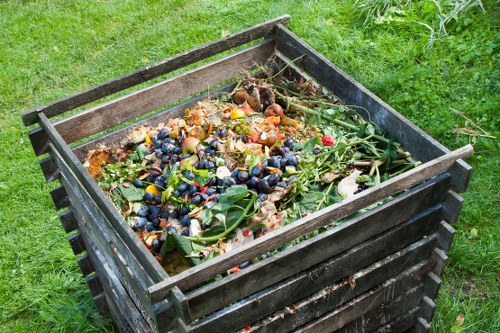
Commercial waste is often more varied than a simple pile of unwanted items. Office clearances may include paper-based materials, packaging, light metal, plastics, fabrics, wood and electrical equipment. Separating those streams where practical makes the removal more orderly and can reduce delays when the load is being prepared. It also helps identify anything that needs particular care, such as items with batteries, refrigerant units or contents that should not be mixed with ordinary rubbish.
Some materials need extra attention because of their contents or construction. If a workplace has appliances, cooling equipment or similar units, these are better handled as specific items rather than general waste. Our fridge and appliance removal service covers those sorts of pieces, while larger loads that contain mixed non-hazardous materials may sit better within a broader commercial clearance. Where waste has different categories, we can help keep the collection structured so the right items are dealt with in the right way.
There are also cases where the safer choice is to leave certain materials out of the general load altogether. Hazardous substances are not the same as ordinary office or shop waste, and they require their own consideration. If you are unsure whether an item belongs in a standard clearance, it is worth describing it before the job is booked. A careful description avoids assumptions and helps keep the collection aligned with the materials actually present.
Business waste removal for storage rooms, stock and back areas
Back rooms, stock spaces and storage cupboards tend to collect items that are not actively used but still occupy valuable room. Business waste removal can clear those areas when they contain broken fittings, excess packaging, old stock units or accumulated materials that no longer serve the premises. The work is often most effective when the unwanted items are grouped by type so they can be moved out without repeatedly rehandling the same pieces.
If your premises include garage-style stores, archive rooms or loft-like upper spaces, it is usually worth describing those access conditions early. The route in and out, the width of stairways and the amount of lifting involved all affect how the clearance is organised. We do not treat every site as identical, because storage areas vary widely and a practical plan depends on the actual layout. When the job includes household-type contents as well as business items, related options such as garage clearance or loft clearance may help explain the sort of work involved.
One clear inventory is better than several partial messages. If possible, group the items into broad categories such as furniture, packaging, equipment and miscellaneous waste. That gives a clearer basis for planning and helps avoid confusion where storage spaces contain a bit of everything. It also makes it easier to decide whether the clearance should be handled as a straightforward collection or a more involved removal.
About Pinner
Pinner is a suburban district in the London Borough of Harrow, in northwest London, known for its village-style centre, period housing and strong sense of local character. The old village core developed around the High Street and Pinner Green, where a network of streets still reflects the area’s long settlement history. The parish church of St John the Baptist, with origins in the 14th century, is one of the best-known historic buildings in the district and sits within a landscape that retains much of its older pattern of lanes and low-rise development. Pinner’s conservation areas help preserve this character, and several streets contain listed buildings, timber-framed structures and attractive shopfronts that give the centre a distinctive appearance compared with denser parts of outer London.
The area’s cultural life is closely tied to its community identity. Pinner has a local museum, a number of independent businesses and public spaces used for events and seasonal gatherings, while Pinner Memorial Park provides open ground, ornamental planting and space for walking. The district sits near the River Pinn, a small watercourse that gives the locality part of its name and links it to a wider landscape of north-west London valleys and green corridors. Beyond the centre, the surrounding residential streets include a mixture of interwar semis, later family housing and quieter cul-de-sac developments, showing how the area expanded during the 20th century while retaining a recognisable core.
Collections that suit changing premises

Workplaces change for many reasons: a move, a refit, a lease end, a downsizing exercise or the simple accumulation of items that no longer have a place. Business waste removal helps manage those transitions by clearing materials that are ready to leave the building and sorting them into practical groups for removal. The service is useful where a premises needs to be handed back in a tidier state or reconfigured for a different layout, because it lets the clearance happen in a controlled sequence rather than all at once.
Where the work involves a broader clean-out, the same principles can apply to other kinds of premises as well. Our office clearance and home clearance pages show the sort of structured removal we can arrange when rooms contain several types of unwanted items. For commercial sites, the main priority is still to remove waste in a way that fits the building, the contents and the level of disruption you can accept on the day.
If the premises are being emptied in stages, it is usually sensible to decide which areas come first and which items are to remain in place. That keeps the collection focused and avoids accidental removal of things that are still needed. A staged approach is especially helpful in shared buildings, occupied offices and premises with limited storage, because it keeps the waste work separate from the day-to-day operation of the business.
How pricing is usually shaped
Business waste removal is commonly priced according to the amount and type of material, the labour involved and the access conditions on site. Heavier items, awkward placements, narrow stairways and mixed loads can all influence how a quotation is prepared. That is why a simple description of the waste is useful at the beginning: it gives a basis for estimating the work without relying on assumptions. If a site includes a few large items and a number of smaller ones, it helps to mention both.
There is no need to overcomplicate the first enquiry. A short note about the premises, the type of waste and any access issues usually provides enough information to begin. If the job is a broader commercial clearance, our business waste removal page can be used as a reference point for the main service, while the book online page offers a direct route if you already know what you want removed. Clear details make the quotation easier to prepare and help avoid unnecessary follow-up questions.
For many customers, the simplest approach is to group the items, decide what must be removed and then ask for a quotation once the scope is settled. That keeps the process focused on the practical work rather than on guesswork. If you are comparing options, it can also help to review related pages about disposal, removal and sustainability so you can see how the different parts of the service fit together.
Removal, disposal and responsible handling
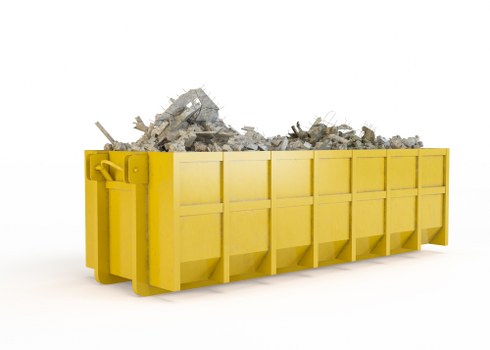
Once waste is collected, it still needs to be handled sensibly. Commercial waste removal does not end at the point of loading; sorting, transfer and onward handling are all part of the service. Items that can be separated into useful material groups should be treated accordingly, while ordinary mixed waste should be kept distinct from anything that needs specialist care. That approach keeps the collection orderly and helps ensure the waste is dealt with in a way that suits its type.
Where disposal is the main concern, it is helpful to distinguish between furniture removal, general waste and items that need separate handling. Our furniture disposal page is relevant where office or commercial furnishings are the dominant part of the load, while waste removal covers the broader service area. If your load contains items that should not be mixed with standard waste, it is better to identify them in advance so the collection can be planned correctly and safely.
When you are ready, send the basic details and request a quotation. A short description of the premises, the items to be removed and the access involved is usually enough to begin. From there, the aim is simple: clear the waste, keep the process practical and leave the space ready for what comes next.