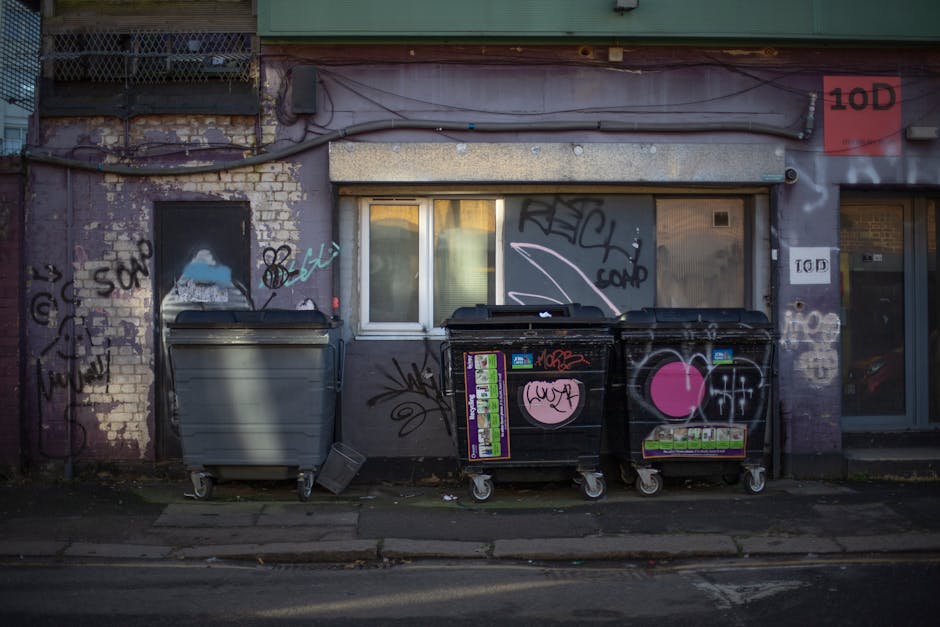
Local businesses Pinner High Street bulky waste solutions
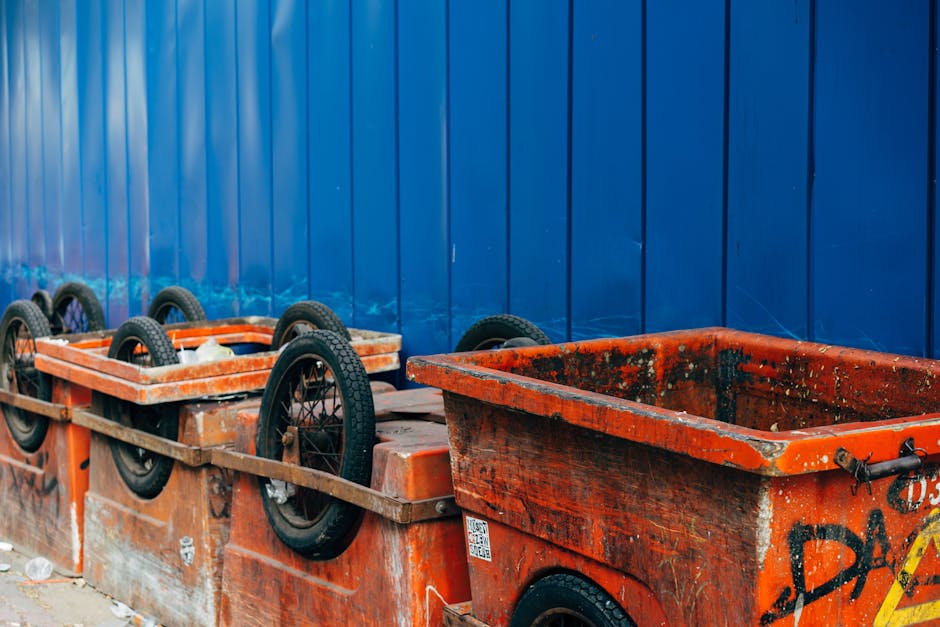
Running a business on Pinner High Street means space is always at a premium. One awkward delivery, a worn-out display unit, a broken fridge, or a stack of old office chairs can quickly turn from "we'll deal with it later" into a genuine nuisance. That is exactly where Local businesses Pinner High Street bulky waste solutions matter. They help shops, cafes, offices, salons, clinics, landlords, and small commercial premises clear large items quickly, stay tidy, and keep day-to-day trading moving.
In practical terms, bulky waste is the kind of non-hazardous item that is too large or awkward for ordinary bins: furniture, fixtures, appliances, shelving, packaging build-up, or leftover items from refurbishments and clear-outs. This guide explains how local bulky waste removal works, what to look for, common mistakes to avoid, and how businesses on and around Pinner High Street can make better decisions without losing a morning to avoidable chaos. Truth be told, that can make all the difference on a busy trading day.
Why Local businesses Pinner High Street bulky waste solutions Matters
High streets live and die by first impressions. A neatly presented frontage, clear customer access, and safe back-of-house storage all feed into how people feel about a business before they have even stepped inside. Bulky waste gets in the way of that. A battered sofa left by the rear entrance, broken stockroom shelving, or an old appliance waiting "just for now" can create clutter, trip risks, and the kind of visual mess that quietly chips away at confidence.
For local businesses, bulky waste is not only about appearance. It can affect fire safety routes, staff movement, cleaning routines, and deliveries. If you have ever tried to wheel a stock cage around a pile of dead furniture at 8:30 on a damp London morning, you will know the feeling. It is not ideal. It is one of those jobs that seems small until it starts slowing everything else down.
There is also the customer experience side. On a busy stretch like Pinner High Street, customers notice when a shop looks organised and cared for. They also notice when it does not. Bulky waste solutions support a tidy, functioning business environment, and that often translates into smoother operations and fewer last-minute headaches.
For landlords, managing agents, and business owners in mixed-use premises, there is another layer. Unit turnovers, refurbishments, and tenant move-outs can generate a burst of waste all at once. A sensible clearance plan helps you deal with that burst without cluttering shared spaces or dragging the job out over several days.
If your business generates more than occasional waste, it may also make sense to look at business waste removal alongside one-off bulky item clearance. The two services often work best together, especially when you want a cleaner, simpler routine rather than a patchwork of ad hoc fixes.
How Local businesses Pinner High Street bulky waste solutions Works
Most bulky waste solutions follow a fairly straightforward pattern, though the details matter. You usually begin by identifying what needs removing, whether it is a few items or a more substantial clear-out. Then you arrange a collection window that fits trading hours, access restrictions, and any building rules. After that, the team arrives, loads the items, and takes them away for sorting, reuse, recycling, or disposal depending on the material and condition.
The useful bit is that a professional clearance service does more than simply "take things away." A good provider will think about access points, lifting safety, item separation, and what should be kept out of general waste. That matters with bulky items because some pieces are awkward rather than heavy, and some are heavy rather than awkward. Sometimes both. Which, to be fair, is the worst combination.
A typical business may need help with:
- old shelving, racking, and counter units
- office desks, chairs, filing cabinets, and partition pieces
- broken appliances such as fridges, freezers, and microwaves
- shop-fit waste from refurbishments
- bulky cardboard, packaging, and mixed non-hazardous items
- outgrown furniture from hospitality, retail, or salon settings
For items that are particularly specialised, such as a broken fridge, a damaged mattress, or a sofa that no longer has a useful life, it can help to use the most relevant disposal route rather than lumping everything together. For example, some businesses may find the dedicated pages for fridge and appliance removal or mattress and sofa disposal more useful when they are dealing with specific bulky items.
Behind the scenes, the best providers sort items carefully. Reusable furniture may be separated from recyclable materials, and anything requiring special handling should be flagged early. That is a simple point, but an important one. It reduces delays, keeps the work safer, and avoids the "we thought it was all one job" problem that so often causes stress.
Key Benefits and Practical Advantages
The biggest benefit is obvious: space comes back. But the real advantages go beyond floor area. They affect how a business works, how staff feel, and how reliably the premises can operate.
1. Faster, cleaner trading conditions
Clear access points make it easier to move stock, serve customers, and maintain a calm back-of-house environment. That may sound minor, but a tidy work area usually makes a business feel more in control. You will notice the difference straight away.
2. Reduced lifting and handling risks
Bulky waste is a classic source of strain and awkward movement. Clearing it professionally means staff do not have to wrestle a cabinet down a narrow corridor or drag a heavy item through customer areas. Less faff, fewer near-misses.
3. Better use of limited space
On a high street, storage space is never generous. Removing dead stock, broken furniture, or redundant fittings can free up room for inventory, displays, or operational equipment.
4. More consistent presentation
For customer-facing businesses, cleanliness is part of trust. A shopfront may be spotless, but if the rear yard or doorway is overflowing, that still shapes perception. People pick up on these things.
5. Smarter waste handling
Many bulky items can be separated for recycling or reuse. That makes the clearance more efficient and often more responsible too. If sustainability matters to your business, it is worth reviewing the provider's recycling and sustainability approach before booking.
6. Easier planning during refurbishments or move-outs
A structured bulky waste solution helps with temporary peaks. Rather than letting waste build up during a refit, you can clear items at the right moment and keep the project moving. Small detail, big relief.
Expert summary: For most Pinner High Street businesses, the best bulky waste solution is the one that combines speed, safe lifting, careful sorting, and a collection time that does not disrupt trading. Anything less tends to create more work later.
Who This Is For and When It Makes Sense
This kind of service suits far more businesses than people first expect. It is not only for obvious retail closures or big refurbishments. In practice, smaller and steadier needs are often the most common.
Retail shops may need bulky waste solutions when replacing display units, stockroom shelving, tills, fixtures, or damaged furniture. A single failed display run can produce more waste than expected.
Cafes, restaurants, and takeaways often need help with worn seating, damaged fridges, broken tables, or back-of-house clutter. In hospitality, space is precious and timing is everything.
Offices and professional services may be clearing desks, chairs, cabinets, old IT furniture, or archive-room furniture. For businesses handling paperwork, pairing clearance with confidential shredding can make the whole job tidier and safer.
Salons, clinics, and wellness spaces often need discreet removal of furniture and old equipment when reconfiguring treatment rooms or reception areas. The job must be handled carefully, and usually quietly too.
Landlords and letting agents use bulky waste solutions after tenant departures, during end-of-tenancy clear-outs, or before a unit is re-let. If the property includes a flat or mixed-use space, you may also benefit from flat clearance or home clearance where the situation overlaps with domestic-style contents.
Construction and fit-out teams may need a more operational approach, especially when bulky waste is produced during a larger job. In those cases, builders waste clearance can be the more suitable route.
It makes sense whenever waste is too large, too awkward, or too disruptive to leave sitting around. If that pile is becoming part of the decor, it is probably time.
Step-by-Step Guidance
If you want a smoother experience, a little preparation helps. Here is a practical way to approach it.
- List exactly what needs removing. Separate bulky furniture, appliances, fixtures, packaging, and any items that may need special handling.
- Check access. Look at door widths, stairs, loading points, parking space, lift access, and whether removals need to happen outside customer hours.
- Identify anything sensitive. Documents, locked cabinets, devices, and mixed storage need thought before the team arrives.
- Ask for a clear quote. It helps to describe the volume, weight, and type of items as accurately as possible. Vague descriptions usually lead to vague pricing.
- Set the timing. Early morning or quieter trading periods are often easiest for high street businesses.
- Prepare the area. Move smaller items out of the way, clear a path, and make sure staff know which spaces are being used.
- Confirm how the waste will be handled. Recycling, reuse, and responsible disposal should be part of the conversation, not an afterthought.
- Keep a record. For business admin, it is wise to retain job details, invoices, and any waste transfer information you receive.
One small but useful tip: do not leave the final sort until collection day. If you have three almost-identical chairs and one is reusable, one is broken, and one hides a loose battery pack under the seat, you want to know that before the team arrives. Saves time. Saves grief.
Expert Tips for Better Results
The best bulky waste jobs are usually the ones where the business has thought two steps ahead. Nothing dramatic, just decent planning.
- Bundle similar items together. If furniture, appliances, and cardboard all need removing, group them by type so the team can load efficiently.
- Measure awkward items. A unit may look simple, then turn out to be impossible to twist through a doorway. Measure width, height, and turning space if the item is large.
- Pick a quiet window. A 7:30am clearance can be far less disruptive than one in the middle of lunch service or a client appointment block.
- Ask about specialist handling. Fridges, mattresses, sofas, and some electrical items are best managed through the right route rather than added to a generic pile.
- Think about the next layout before the waste goes. If you are refitting a room, decide where new stock or furniture will live so the clear space is used properly.
Another practical point: if you are comparing services, look beyond price alone. Insurance, safety practices, and communication matter a lot when items have to be carried through shared corridors or customer areas. A cheap job that creates a scrape on a wall or leaves a mess is not really cheap, is it?
For businesses that want to understand provider standards in more detail, pages such as insurance and safety, health and safety policy, and payment and security can help build confidence before booking.
Common Mistakes to Avoid
Most problems with bulky waste are avoidable. The trouble is, people usually only discover them once the items are already in the way.
Leaving everything until the last minute. This is the classic one. An office refurb finishes tomorrow, the old desks are still in the room, and suddenly everyone is trying to solve logistics at 5pm. Not fun.
Assuming all waste is treated the same. Some items need different handling from general furniture or mixed waste. A fridge is not the same as a wooden chair, and a sofa is not the same as a bundle of old packaging.
Underestimating access problems. A bulky item may fit the room on paper but fail at the doorway. Corridors, stairs, parked vehicles, and narrow back entrances often decide the success of the job.
Ignoring the administrative side. Businesses sometimes forget that waste jobs should be properly recorded. Keep your paperwork tidy. It is boring, yes, but useful.
Using the wrong service for the job. If your waste is mixed with construction debris, a dedicated building clearance may be more suitable than a generic collection. If you are replacing office furniture, office-specific clearance may make more sense than a general house-style clear-out.
Not separating reusable items. Some pieces can be reused or diverted away from disposal. That is better for sustainability and sometimes better for cost too.
Tools, Resources and Recommendations
You do not need much kit to prepare for bulky waste removal, but a few practical tools help.
- Basic tape measure for doors, corridors, and the size of large items
- Marker labels to separate items for disposal, reuse, or internal relocation
- Gloves and sturdy footwear if staff are helping to move lighter pieces beforehand
- Floor protection such as cardboard or temporary covering in narrow customer or staff areas
- A simple inventory note listing items, especially useful for office and landlord clearances
For businesses wanting a fuller overview of services that may overlap with bulky waste, the following pages are often useful:
- furniture clearance for general furniture-heavy jobs
- furniture disposal for items that are no longer suitable for reuse
- office clearance for desks, chairs, cabinets, and workspace moves
- garage clearance where storage spaces hold bulky, mixed items
- loft clearance if the waste includes awkward stored items
If you are still working out the right route, a pricing page such as pricing and quotes can be a useful starting point for understanding how jobs may be assessed. The details matter, especially with bulky items, because volume, access, and item type all influence the job shape.
Law, Compliance, Standards, or Best Practice
Bulky waste from businesses is not something to handle casually. In the UK, business waste generally needs to be managed responsibly, with records kept where required and duty of care taken seriously. You do not need to become a compliance expert, but you should treat commercial waste as business waste, not as something to dump into a domestic bin and hope for the best. That route usually ends badly.
Best practice is simple enough: use a reputable, properly insured service, keep clear descriptions of what is being removed, and make sure waste is handled in a way that aligns with legal and environmental expectations. If items contain confidential materials, batteries, refrigerants, or other special components, those should be identified early. No one likes surprises on collection day, especially the regulated kind.
For many businesses, the safest operational habits are:
- separating hazardous items from general bulky waste
- keeping access routes clear for staff and contractors
- using documented collection and disposal arrangements
- checking that the provider's safety approach is clear
- avoiding fly-tipping risks by never leaving waste outside without an arranged collection
If you are managing a workplace with special risk factors, it can also be sensible to review hazardous waste disposal for items that cannot go with ordinary mixed waste. And if your premises has a strong environmental policy, the provider's recycling and sustainability approach is worth a look before you book.
There is no need to overcomplicate this. The key is to keep it responsible, recorded, and practical.
Options, Methods, or Comparison Table
Businesses on Pinner High Street usually choose between a few different approaches. The best one depends on volume, item type, urgency, and how much disruption you can tolerate.
| Option | Best for | Strengths | Watch-outs |
|---|---|---|---|
| Ad hoc bulky waste collection | One-off items or occasional clear-outs | Simple, flexible, good for small jobs | Can become inefficient if waste is frequent |
| Scheduled business waste removal | Regular commercial waste and recurring overflow | Predictable, tidier, easier for teams | Needs the right service structure and planning |
| Dedicated room or site clearance | Refits, move-outs, large turnover projects | Handles bulky volume well, faster on bigger jobs | Requires more preparation and clearer scope |
| Specialist item disposal | Appliances, sofas, mattresses, or sensitive items | More appropriate handling, better sorting | Needs correct item identification up front |
For a lot of local businesses, the best answer is actually a mix. A shop refit might need builders' clearance for part of the job, furniture disposal for old counters, and standard waste removal for leftover mixed materials. That layered approach is normal. In fact, it is often the cleaner way to do it.
Case Study or Real-World Example
Imagine a small independent business on or near Pinner High Street preparing to update its front-of-house area. Over a couple of weeks, the team has accumulated two old display cabinets, a damaged swivel chair, a broken under-counter fridge, and a handful of shelving units that no longer fit the new layout. None of it is dramatic on its own. Together, though, it has started to crowd the stockroom and block part of the rear access path.
The owner first tries to work around it. There is a chair in one corner, a cabinet leaning "temporarily" against a wall, and the fridge is moved three times because someone needs the plug socket behind it. Classic. By the time the refit is ready, the clutter has become the thing slowing everyone down.
The practical fix is straightforward: list the items, group them by type, check the access route, and book a clearance window outside the business's busiest hours. The fridge is dealt with separately as an appliance item, the furniture is removed in one visit, and the back-of-house space is cleared properly before the new layout goes in.
The result is not just a tidier room. Staff can move freely again, the new fittings can be installed without obstruction, and the business reopens in a cleaner, calmer state. Nothing flashy. Just a better way of working. Sometimes that is what good waste management looks like.
Practical Checklist
Use this quick checklist before arranging bulky waste removal for your business:
- Identify every bulky item that needs to go
- Separate furniture, appliances, fixtures, and mixed waste
- Measure doors, stairways, corridors, and loading access
- Check whether any items need specialist handling
- Decide the best time slot to avoid customer disruption
- Clear paths so items can be removed safely
- Keep paperwork and item notes together for records
- Confirm recycling or reuse priorities where possible
- Review provider safety, insurance, and payment terms
- Make sure staff know what is being removed and when
If the job is more than a handful of items, it can also help to compare related services such as house clearance for mixed contents, home clearance for broader clear-outs, or waste removal for general mixed waste support. Choosing the right route early saves time later.
Get a free quote today and see how much you can save.
Conclusion
Local businesses on Pinner High Street need bulky waste solutions that are practical, discreet, and dependable. The right approach clears space, reduces stress, improves safety, and keeps the day moving. That is the real value here. Not just "getting rid of stuff," but creating a better working environment with less friction.
Whether you are clearing a single damaged item, emptying a stockroom, or planning a wider refit, the best results usually come from clear item lists, sensible timing, and a provider that understands both commercial pressure and local access realities. A little planning goes a long way.
And honestly, once the clutter is gone, the whole place tends to breathe a bit easier. That alone is worth it.
Frequently Asked Questions
What counts as bulky waste for a local business?
Bulky waste usually means large or awkward items that do not fit standard bins. For businesses, this often includes furniture, shelving, fixtures, appliances, and oversized packaging or mixed clear-out material.
How quickly can bulky waste be removed from a Pinner High Street business?
It depends on the provider's availability, access, and the size of the job. Small collections can often be arranged quickly, while larger clear-outs need a little more planning. The earlier you book, the smoother it tends to go.
Do I need a separate service for office furniture?
Not always, but office items are often easier to manage through a clearance service that understands desks, chairs, cabinets, and archive furniture. For many businesses, office clearance is the more natural fit.
Can bulky waste be recycled or reused?
Often, yes. Many items can be sorted for recycling or reuse if they are in suitable condition. It is sensible to ask how a provider handles sorting, especially if sustainability matters to your business.
What should I do with broken fridges or appliances?
Appliances usually need specific handling, particularly if they contain components that should not go in ordinary waste. A dedicated fridge and appliance removal route is usually the safest approach.
Is bulky waste removal suitable for small businesses?
Absolutely. In fact, small businesses often benefit the most because space is tighter and every square metre matters. A single clearance can make storage, staff movement, and customer presentation noticeably easier.
How do I prepare my business for a bulky waste collection?
List the items, clear a path, check access, and separate anything sensitive or specialist. If possible, schedule the collection outside the busiest trading hours to reduce disruption.
What if my waste includes both furniture and building debris?
Mixed jobs are common, especially during refurbishments. You may need a combination of furniture clearance and builders waste clearance depending on the materials involved.
Are there risks in leaving bulky waste outside the shop?
Yes. Unattended waste can create safety issues, block access, and potentially cause complaints or enforcement problems. It is better to arrange a proper collection rather than leave items outside and hope for the best.
Should I keep records of bulky waste collections?
Yes, for business administration it is sensible to keep invoices, job notes, and any collection records. Good paperwork is boring until you need it, then it is very useful.
What if I need a full clear-out, not just a few items?
Then a wider clearance service may be the better option. Depending on the premises, that could involve home clearance, house clearance, flat clearance, or a more general commercial clearance approach.
How do I choose the right provider for bulky waste on Pinner High Street?
Look for clear communication, sensible pricing, insurance and safety information, and a responsible approach to sorting and disposal. If the company can explain how they handle different item types in plain English, that is usually a good sign.