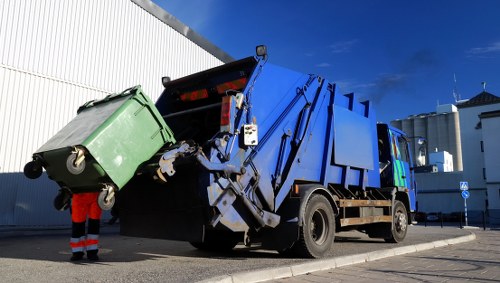
Health & Safety Policy for Business Waste Removal Pinner
This document sets out the health and safety policy for our commercial waste services and business rubbish removal operations. It is written to ensure that staff, clients, contractors and anyone affected by our activities understand the procedures and responsibilities that govern safe waste handling. The policy applies to all forms of rubbish collection Pinner and commercial waste removal activities carried out on behalf of business customers, whether scheduled collections, one-off clearances or site-specific removals. Our intention is to reduce risk, protect health, and promote safe working practices at every stage of waste handling.Scope and Objectives
The objectives of this policy are to: prevent injury, avoid environmental harm, and ensure legal compliance in business waste collection and disposal. This covers general office refuse, bulky waste, construction waste, and segregated recyclable materials. We emphasise a proactive approach to risk assessment, safe vehicle operation, manual handling, and correct segregation to minimise hazards. All teams must follow standard operating procedures and report hazards immediately. The policy is reviewed regularly and updated to reflect changes in regulation or operational practice.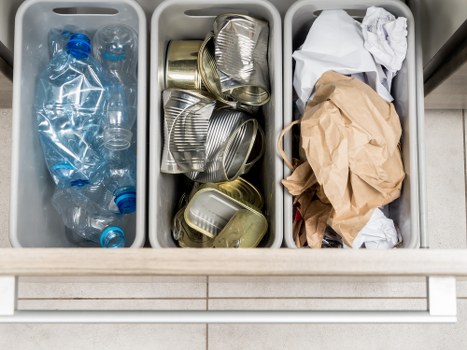
Legal and Regulatory Context
Our approach recognises applicable health and safety law without reproducing legal text. We commit to meeting statutory duties and industry standards relevant to commercial waste services and rubbish removal across our service area. This includes maintaining safe equipment, ensuring waste carriers' duty of care, and cooperating with enforcement or inspection where required. Training and record-keeping support compliance, and we keep clear documentation of risk assessments, vehicle maintenance, and personnel certifications to demonstrate due diligence.Responsibilities and Accountability
Management holds overall responsibility for implementing this policy, ensuring adequate resources and clear leadership. Supervisors are responsible for enforcing safe systems of work on site, conducting toolbox talks, and ensuring teams have appropriate PPE. Employees and operatives must follow instructions, use PPE correctly, and report incidents or near misses. Contractors engaged for specialist clearances must present safety method statements and evidence of competency. Everyone is encouraged to adopt a safety-first mindset and to participate in safety reviews.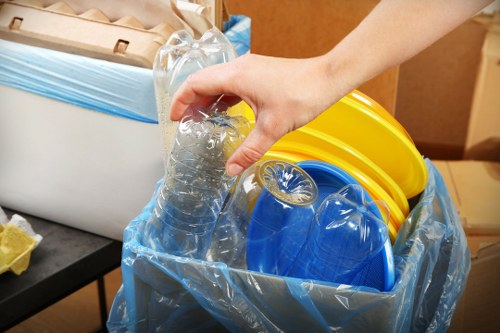 Risk Assessment and Safe Systems We use formal risk assessments for routine and non-routine tasks, including vehicle loading, manual handling of bins and bulky items, interaction with third-party sites, and hazardous materials management. Assessments identify control measures such as mechanical aids, traffic management, use of gloves and hi-vis garments, and exclusion zones during lifts. Safe systems are documented and accessible; they are revised when conditions change or when new information indicates a need for improvement.
Training is a core control measure: staff receive induction, refresher training, and job-specific instruction. Training records are maintained, and competency checks performed periodically. Emergency procedures, including spill response, first aid, and fire procedures, are in place and tested. Communication channels ensure that staff can raise concerns and receive updates promptly.
Equipment, Vehicles and PPE
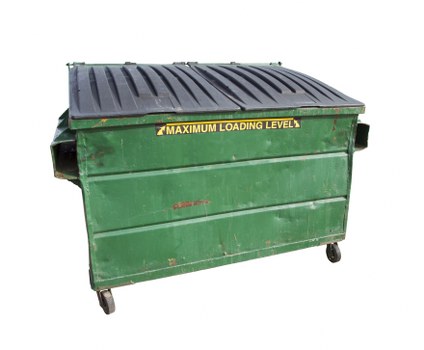
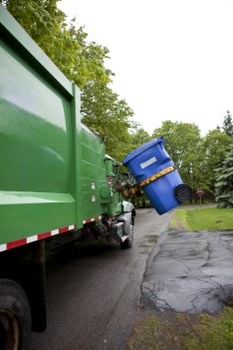
All vehicles used for business waste collection are maintained to a high standard, with scheduled servicing, checks on loading equipment, and tyre and brake inspections. Drivers and loaders follow safe loading limits and secure loads to prevent road hazards. Personal protective equipment such as gloves, safety boots, eye protection and high-visibility clothing is provided and must be used where required. Mechanical handling aids and appropriate lifting techniques reduce manual handling risks.Environmental controls are included to prevent contamination: spill kits, containment for liquid wastes, correct labelling and segregated containers for hazardous materials. Waste streams that require specialist handling are identified and managed through site-specific arrangements, ensuring safe transfer to authorised treatment or disposal facilities without exposing staff or the public to risk.
Monitoring, Incident Reporting and Continuous Improvement
We maintain incident reporting and investigation procedures to capture accidents, near misses and unsafe acts. Lessons learned result in corrective actions and updates to procedures or training. Regular audits and safety inspections measure adherence to policy and highlight opportunities for improvement. Performance indicators include numbers of incidents, completions of training, and audit outcomes. A culture of continual improvement ensures that our business rubbish collection and waste removal services remain safe, reliable and responsive to evolving risks.Implementation and Review This policy is implemented through operational procedures, staff engagement and management oversight. It is reviewed at least annually and after significant incidents or organisational changes. By following this policy, we aim to deliver safe, compliant and efficient waste removal and rubbish collection services for business customers while protecting people and the environment. Every team member has a role to play in achieving these outcomes.
Key controls include:
- Regular risk assessments and method statements for tasks;
- Competency-based training and PPE provision;
- Vehicle maintenance and safe loading procedures;
- Incident reporting, investigation and corrective action;
- Environmental precautions for hazardous or liquid wastes.
Adherence to this Health & Safety Policy ensures that our business waste services are conducted with professionalism and care. Through clear responsibilities, active monitoring and a commitment to safety, we minimise risks associated with rubbish removal, commercial waste collection and site clearances. This policy should be read alongside operational documents and risk assessments that provide task-level detail; management will make those available to relevant personnel as required.
